
On a whim and a three-day weekend, my spouse and I decided to jump in the car and head three hours north of Denver to Gering, Nebraska. For the next 48 hours the Gering and Scottsbluff areas were our base for exploring two remote National Park sites: Fort Laramie National Historic Site and Agate Fossil Beds National Monument.
While at times it seemed like we were in the middle of nowhere, it was also in those moments when we could sense the presence of the past all around us–especially when we stood right in the middle of original wagon ruts along the Oregon Trail.
We first stumbled upon the Gering/Scottsbluff area ten months ago when we went to explore Scotts Bluff National Monument. I wrote about our experience at Scotts Bluff National Monument here.
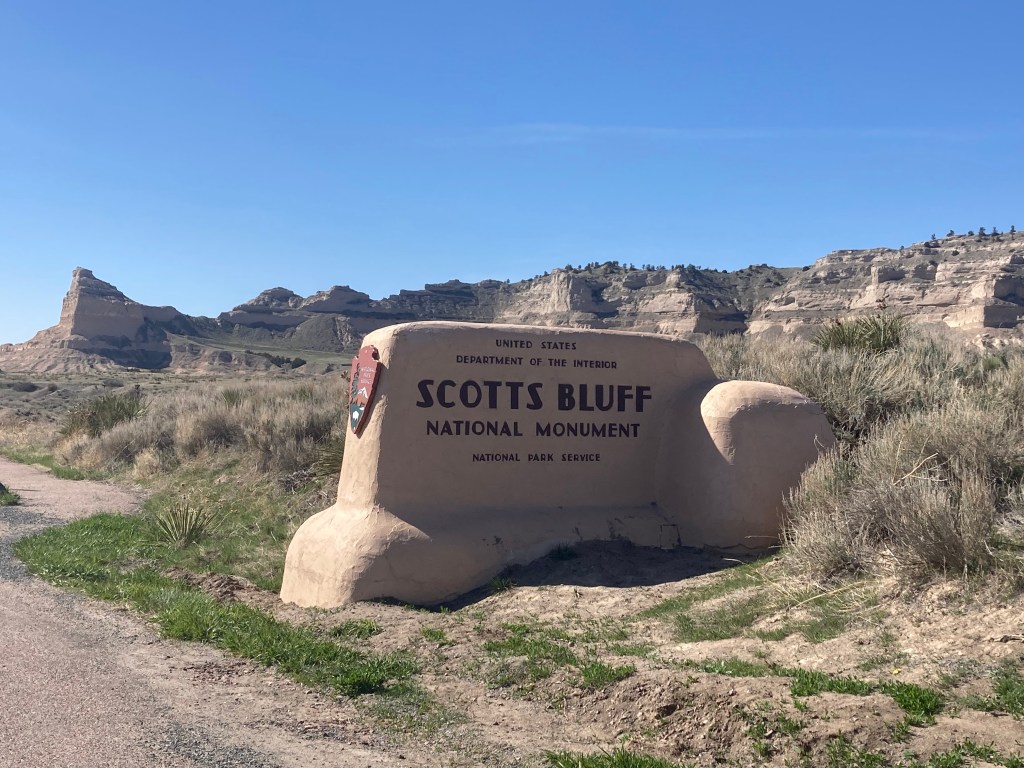
Returning to the area, we were eager to explore more of this remote, high prairie landscape and get another stamp in our NPS passport book.
Trip Itinerary:
Day one:
We arrived in Gering, NE and found Hotel 21 & Co., a trendy boutique hotel that was fun, clean, and modern.


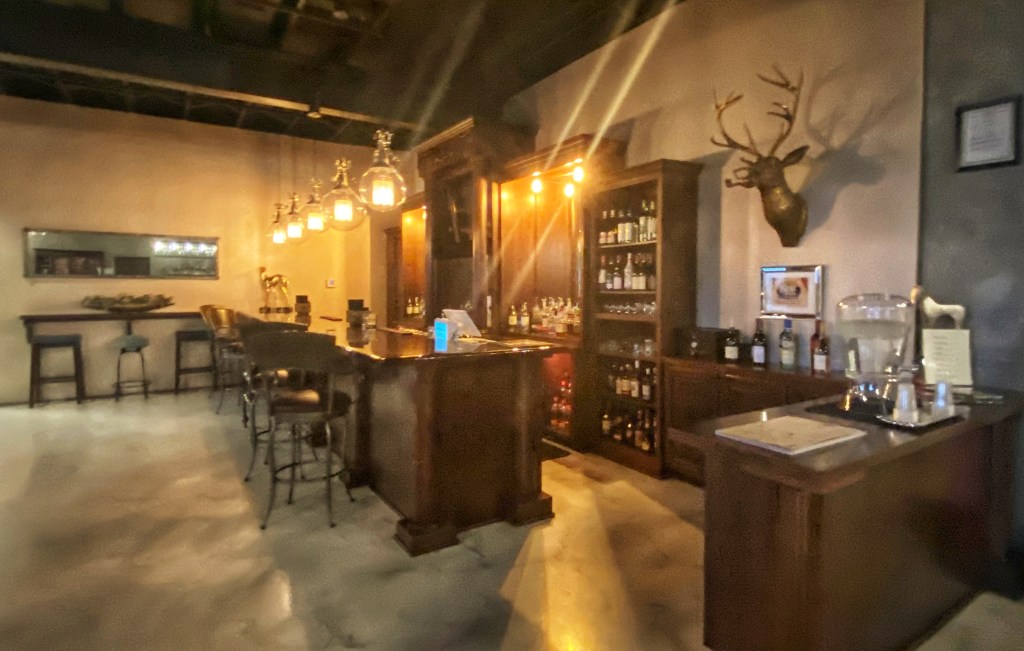
We grabbed a bite to eat and then made our plan for the next day.
Day two:
Fort Laramie National Historic Site


One of the things I enjoy most about visiting National Park sites is the opportunity to learn more about history, nature, cultures, and people.
Situated at the confluence of the Laramie and North Platte Rivers, Fort Laramie NHS is located in the heart of the American West. Today it is an NPS site, but it has also operated as a military fort and popular fur trading outpost.
Fort Laramie NHS is located on the ancestral homelands of several indigenous tribes such as the Lakota, Cheyenne, Arapaho, and others. This area was central in the tensions between indigenous tribes, white emigrants, and the U.S. government. In fact, it was the Treaty of Fort Laramie (1868) that started the pushing out of indigenous tribes onto reservations.
Chief Red Cloud was a prominent leader of the Lakota and we learned about him and his wife (Good Road) at both of the NPS sites we visited.

To do:
We enjoyed viewing the quality selection of books in the bookstore, watching the 18-minute film in the Visitor Center, stepping inside the historic buildings as we toured the grounds, and imagining this site in its various eras and operations.

Note: Although the name Laramie might be familiar, some might be surprised to learn that it is derived from a French fur trader named Jacques La Ramee, who disappeared and was thought to be killed. The Laramie River was named in his honor.
Oregon Trail Ruts
After talking with the friendly staff at the Fort Laramie NHS bookstore, we learned we were only 20 minutes away from a unique portion of the Oregon Trail.
The Oregon Trail Ruts State Historic Site is a place where you can literally see where history left its mark. This site is unique from other trail ruts I’ve seen in that the wagon ruts are preserved in sandstone instead of a grassy swale. The depth is also quite apparent and makes the trail incredibly obvious. This was such an amazing sight to experience!

Register Cliff Historic Site
When we arrived at the Oregon Trail Rut site, we saw signs for Register Cliff and later made our way down the road to check this site out as well.
Apparently, it was custom as you traveled on the Oregon Trail, California Trail, and Mormon Trail to “register” your name as you passed by–on your way out West! Register Cliff is one of three such register rocks and the most eastern. The two others are Independence Rock and Names Hill, each located in Wyoming. Obviously, this custom is no longer in practice–please practice Leave No Trace principles when in the Great Outdoors.

Agate Fossil Beds National Monument
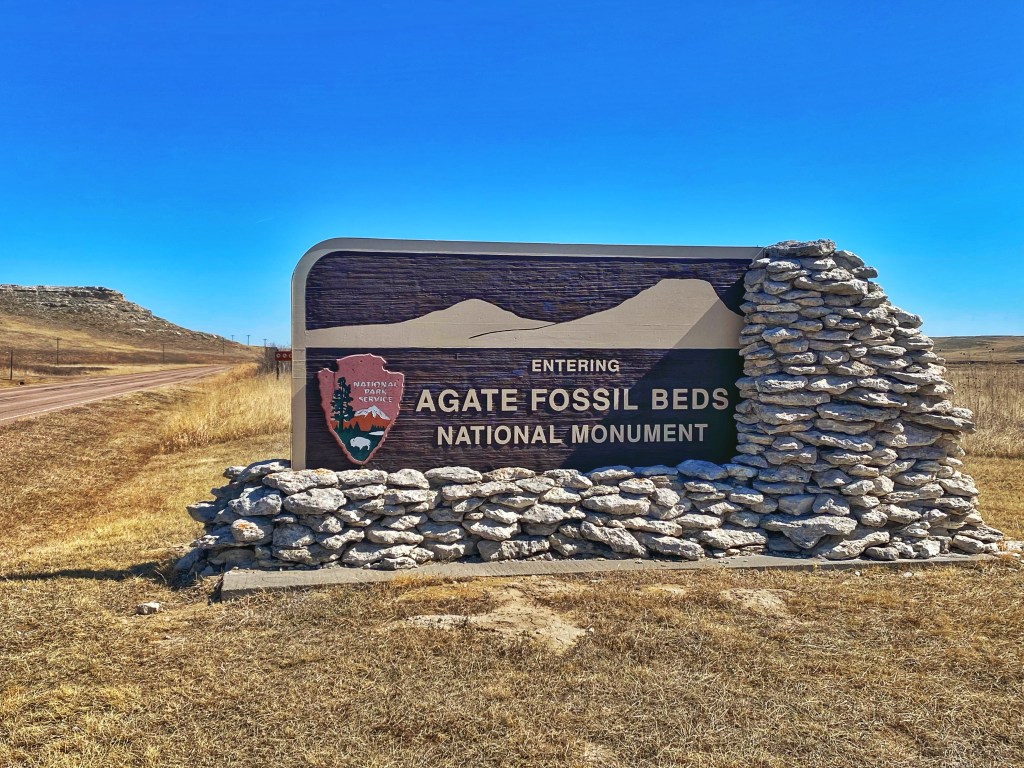
Have you ever heard of a beaver-like animal called a paleocastor?
Have you ever heard of a beardog?
Have you ever heard of a two-horned rhino called a menoceras?
No, these are not from the next best sci-fi thriller (or maybe they could be!!) …. These are just a few of the MANY rare and amazing fossil species found at Agate Fossil Beds!
My mind was blown that there were so many various species that we had never heard or seen of before!

To do:
**One of the highlights of Agate Fossil Beds National Monument is the James H. Cook Collection: A Window Onto Lakota Life. Two rooms inside of the Visitor Center are dedicated to Lakota life, as well as the friendship between James H. Cook (owner of Agate Springs Ranch who formed Agate Fossil Beds) and Chief Red Cloud of the Lakota Sioux nation. Many of the items in the collection were gifts from Chief Red Cloud and his family to the Cooks.


**There is a 12-minute film about the history of the Agate Fossil Beds, which provided images for the fossils found nearby and how they came to be discovered.
**TRAILS: There are two popular trails for visitors to explore.
Fossil Hills Trail: 2.8 miles roundtrip to the historic dig sites. You do not see fossils on this trail, but you do see where they were found.
Daemonelix Trail: 1 mile lollipop loop where you will see “in situ fossil exhibits of the spiral corkscrew fossil of the Paleocastor.” This was one of my favorite parts of this visit!


After a full day of exploring, we headed back to Gering to refuel and chill for the evening.
Good Grub in Gering, NE
On our last night, we visited the Tangled Tumbleweed for some refreshments. Though it’s marketed as a tapas restaurant, which usually means small plates with a Spanish flair, the servings were quite generous and had a distinct Midwestern twist. Nonetheless, every dish was delicious! The cheese curds, in particular, are a must-try; they were exquisitely made, and the raspberry jalapeño jam that accompanied them was just perfect!
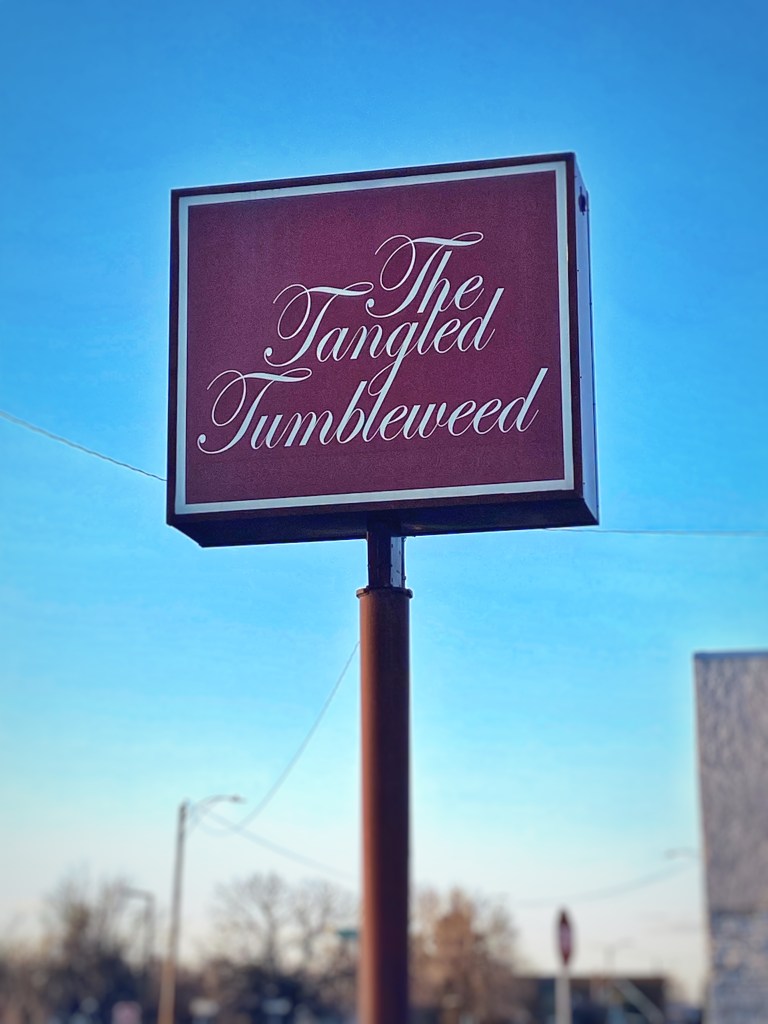


They offered a variety of gluten-free choices and an impressive whiskey selection. Should we find ourselves in Gering once more, we’ll certainly return!
Day 3:
We had some morning coffee from Cappuccino and Co. and then we hit the road back home!
We had a super fun, educational, and spontaneous road trip to the Great Beyond, that is Wyoming and Nebraska!

Happy Adventuring!

 Wilderness & Rye