
Kansas is usually one of the states I am either passing through or flying over. However, recently my spouse and I set out on an adventure with Kansas as the ultimate destination.
Five days and 1800 miles later, we visited all five of the Kansas National Park sites: Fort Scott, Brown vs. Board of Education, Tallgrass Prairie National Preserve, Nicodemus National Historic Site, and Fort Larned.
I learned a lot about indigenous tribes, military outposts used during western expansion, civil rights, the Santa Fe Trail, and the significance of the prairie ecosystem on this adventure. Kansas is at the heart of American history.
Fort Scott National Historic Site
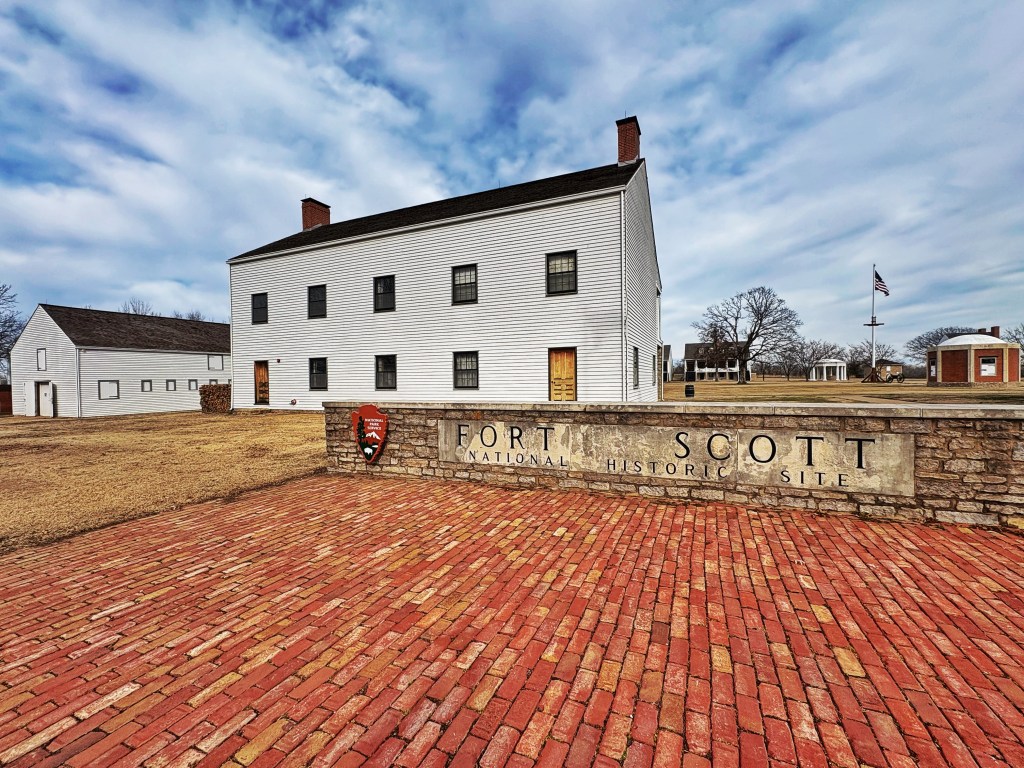
Just beyond the small downtown of Fort Scott, Kansas, stands an old military fort from which the town takes its name. (Named after General Winfield Scott who served in the Mexican-American war). Similar to many of the forts we have visited, Fort Scott National Historic Site is laid out in the shape of a square with several buildings making up the perimeter.
With the Indian Removal Act of 1830 and then the Indian Trade and Intercourse Act of 1834, the U.S. Government sought to push the Plains tribes further West and to establish military outposts along the frontier. Some might say these forts were to protect the Permanent Indian Territory, others argue they were buffer zones that facilitated white settlement.
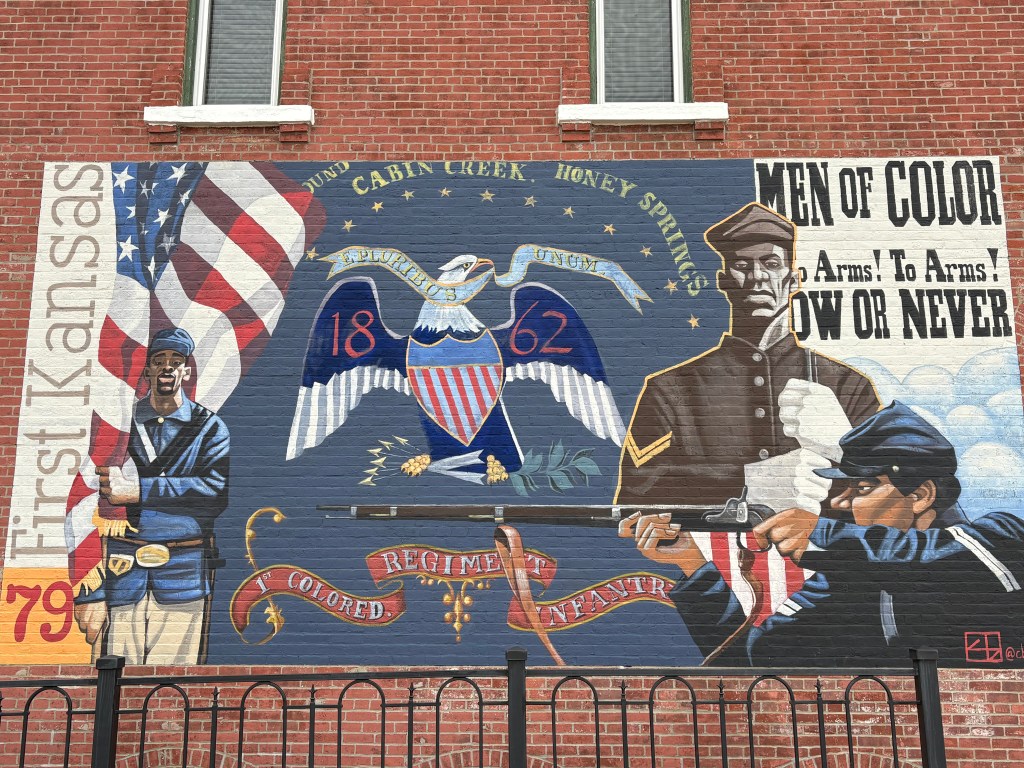
Established in 1842, if the walls of Fort Scott could talk…they could tell stories of soldiers who worked hard to keep the peace during the changing frontier. They also bore witness to the Civil War era, and the battle over the Kansas Territory on the subject of slavery. Interestingly, Kansas was the first Northern state to recruit and train black soldiers for combat in the Civil War. Fort Scott was the home base for the 1st and 2nd Kansas Colored Infantry.
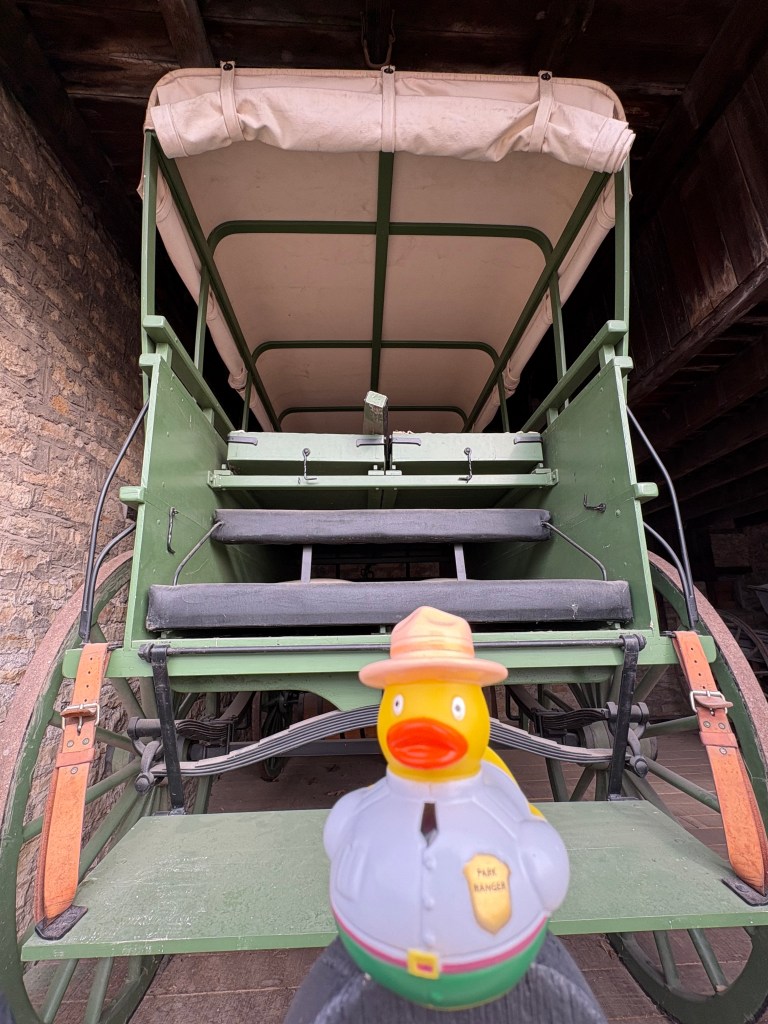
The park has an informative 20-minute film, several nicely constructed exhibits, and various facilities to explore.
Nicodemus National Historic Site
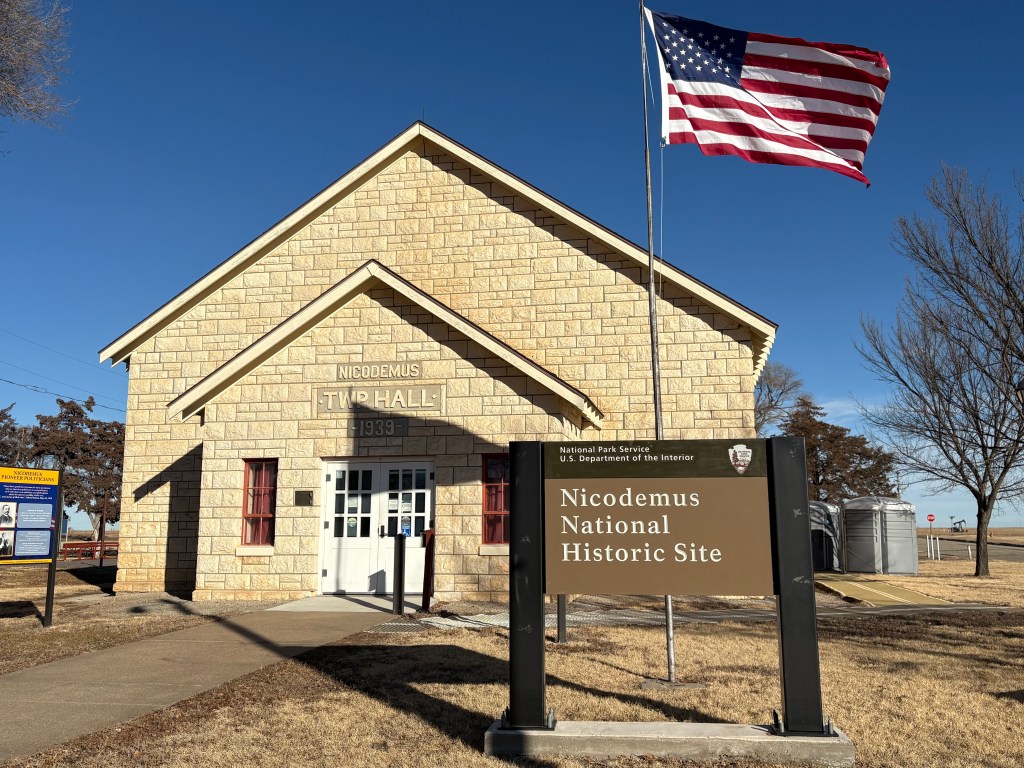
One of the sites I was most excited about visiting was the Nicodemus National Historic Site, located in Nicodemus, Kansas.
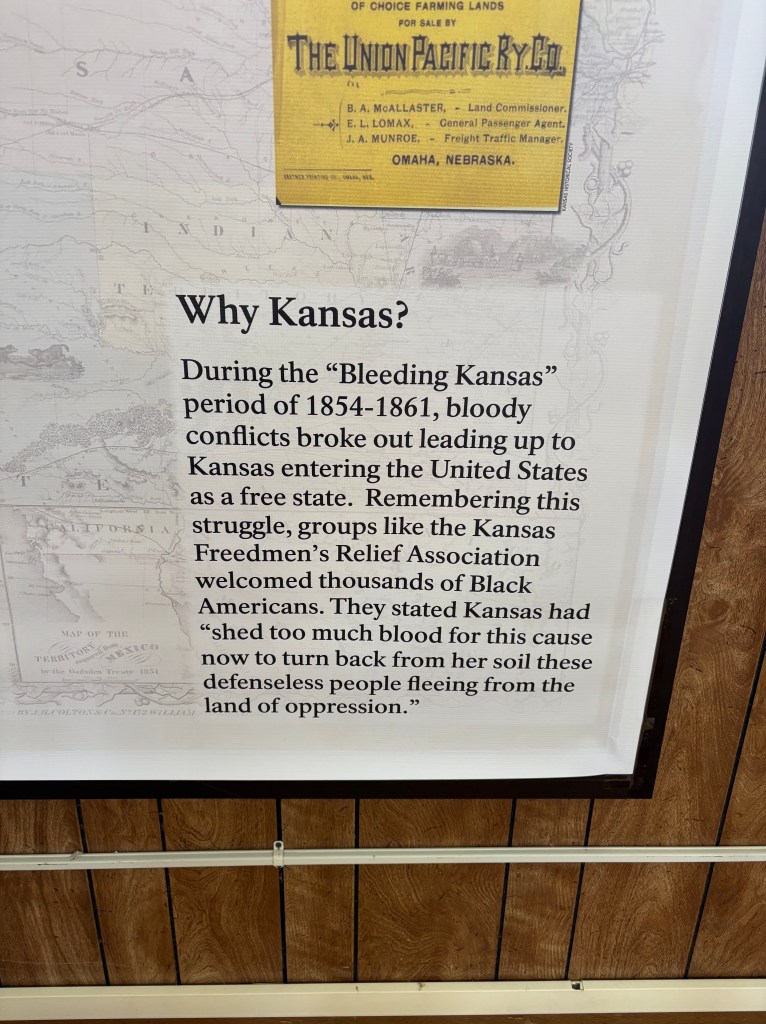
I am so grateful that the National Park Service is protecting this site and sharing the story of the “oldest remaining Black settlement West of the Mississippi.” Formerly enslaved African Americans left Kentucky (and a few other states) in search of a community they could make their own, and to escape from racism and Jim Crow laws that were rampant in the South.
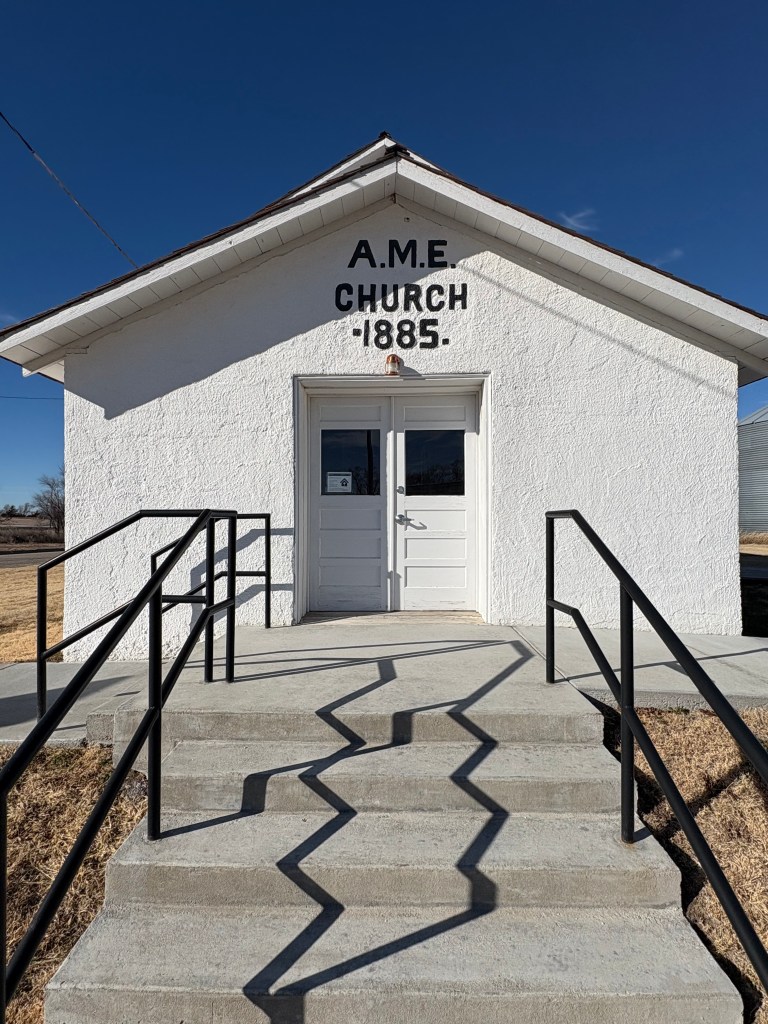
Many of these brave individuals lived in hand-carved dugouts before they were able to build more conducive homesteads and buildings. Faith played (and continues to play) a vital role in the Nicodemus community. There are a handful of descendants remaining as many have moved to larger cities for better economic opportunities. Most of the town is now white retirees but the legacy of the Nicodemus lives on its descendants. The visitor center showed a handful of 3-5 minute clips that tell the history and resilience of the Nicodemus community.
One of the most moving video clips included a spoken word poem shared by Sunni Patterson. Listen below:
There are five historic buildings that remain in the community and help to tell the story of this community. They are listed on the NPS website here.
Tallgrass Prairie National Preserve
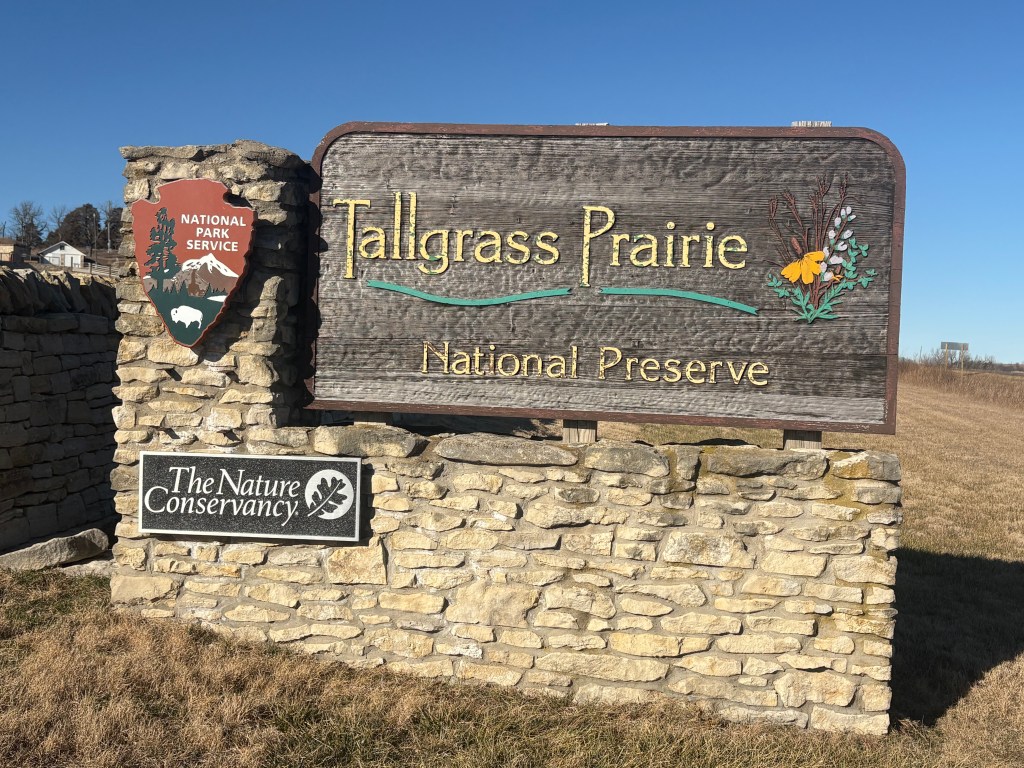
Before farms, towns, and cities took over the landscape, over 170 million acres of the United States was made up of tallgrass prairie. Now, less than 4% of tallgrass prairie ecosystem remains intact.
The National Park Service, in partnership with The Nature Conservancy, helps to conserve and protect the Tallgrass Prairie National Preserve.
The preserve is home to over 500 species of plants, as well as various animals, birds, and a small bison herd. You might get a chance to see the Greater Prairie-Chicken, the famous bird of the plains. During Springtime, they are known for their iconic mating dance ritual, known as “booming.”
There are 12 hiking trails in Tallgrass Prairie National Preserve, as well as various tours of the park. Click here for more information on tours.
Fort Larned National Historic Site
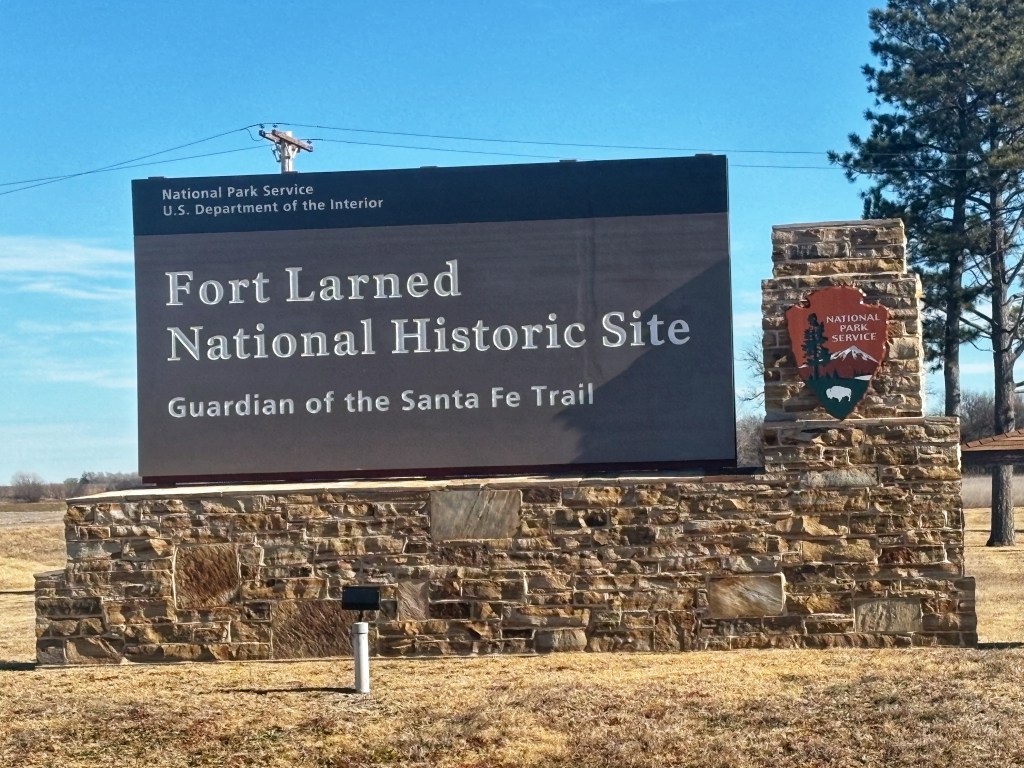
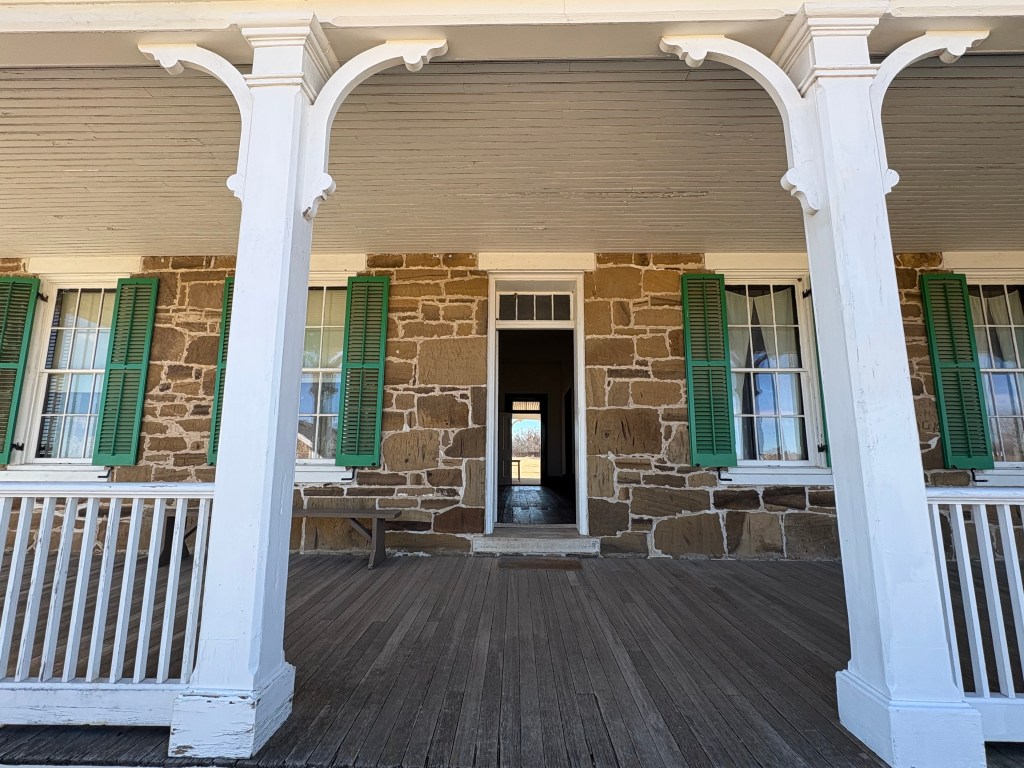
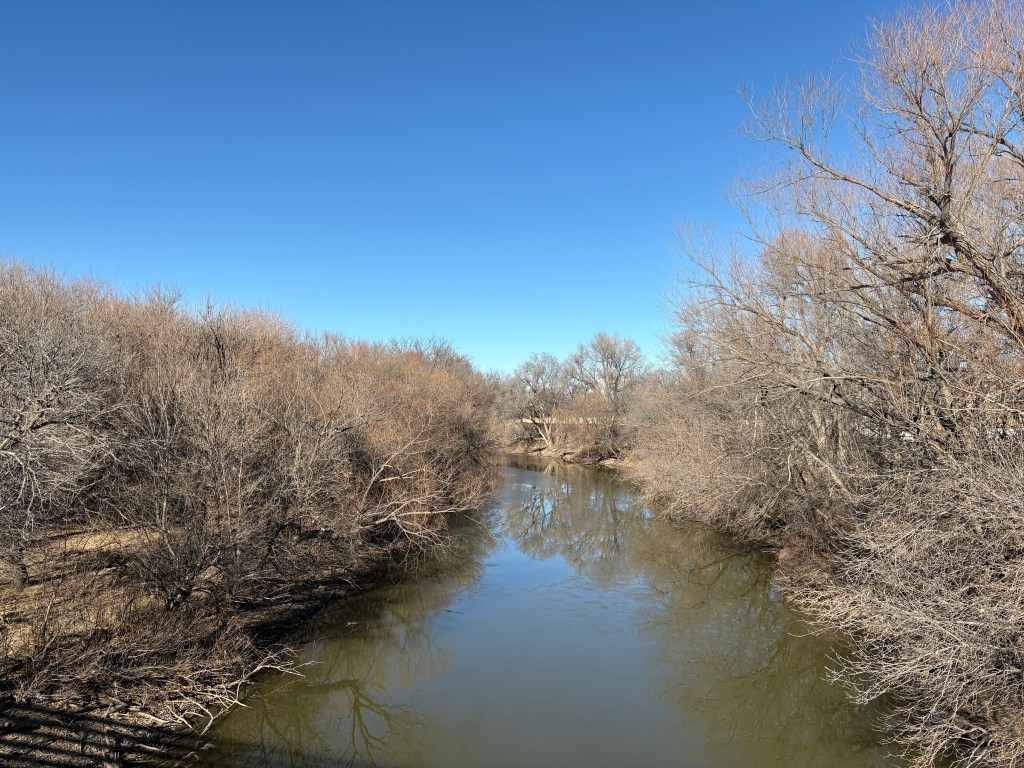
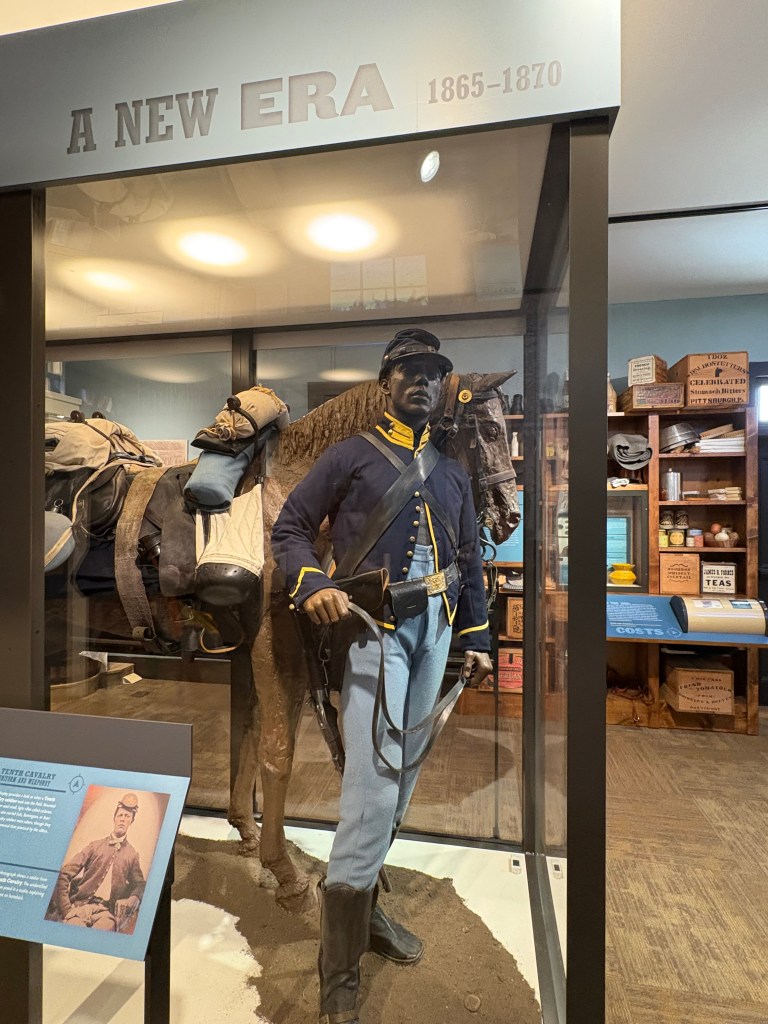
Built in 1860, Fort Larned was established to protect mail carriers and travelers along the Santa Fe Trail. (Again, one of several forts built during the period of westward expansion). Located next to the Pawnee River, this site remains in great condition. The visitor center had a good selection of history books and a nice exhibit starting with Spanish explorers and going into the Indian Wars era and up to present day. They even had a small display highlighting the Buffalo Soldiers. With the remote location of this site, it helped to imagine what it might have been like walking along the Santa Fe Trail.
Brown vs. Board of Education
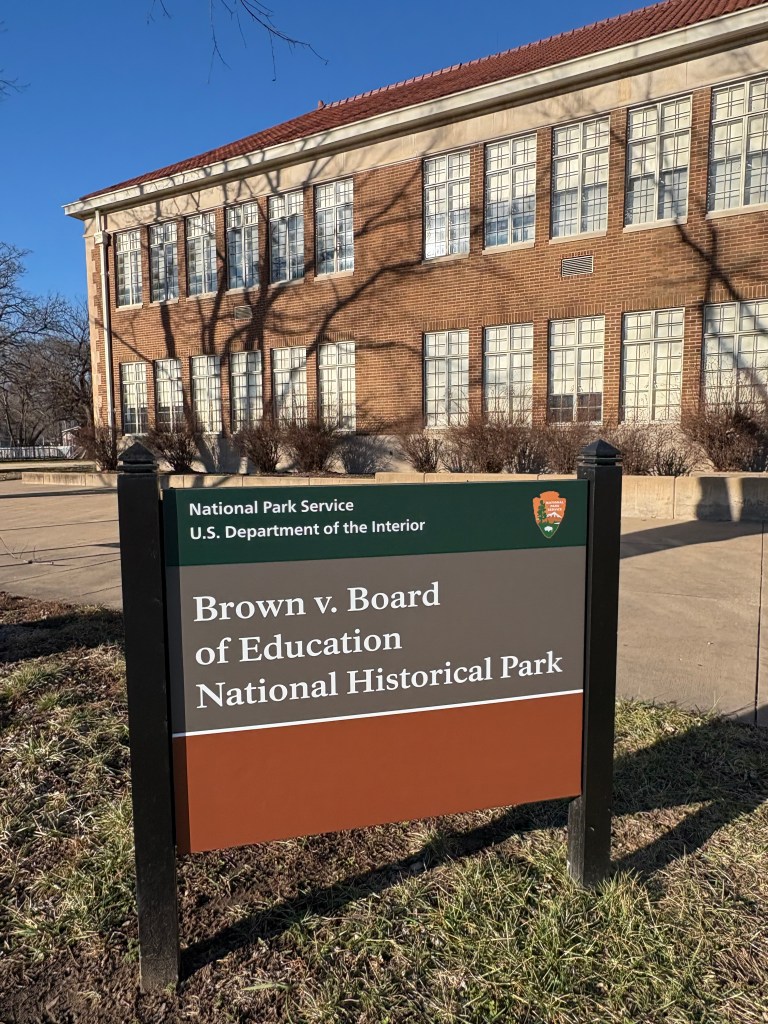
The Brown vs. Board of Education Visitor Center is located inside of the Monroe Elementary School. Established in 1927, the Monroe Elementary School was one of four segregated black schools in Topeka. After trying to enroll his daughter, Linda Brown, into their neighborhood school, Oliver Brown was told his daughter would have to attend school across town due to segregation. Oliver and his daughter became the plaintiffs in the Brown vs. Board of Education of Topeka, which landed on the desk of the Supreme Court.
In 1954, the Supreme Court ruled that the segregation of schools was unconstitutional.
“We conclude that in the field of public education the doctrine of ‘separate but equal’ has no place. Separate educational facilities are inherently unequal.”
–Chief Justice Earl Warren
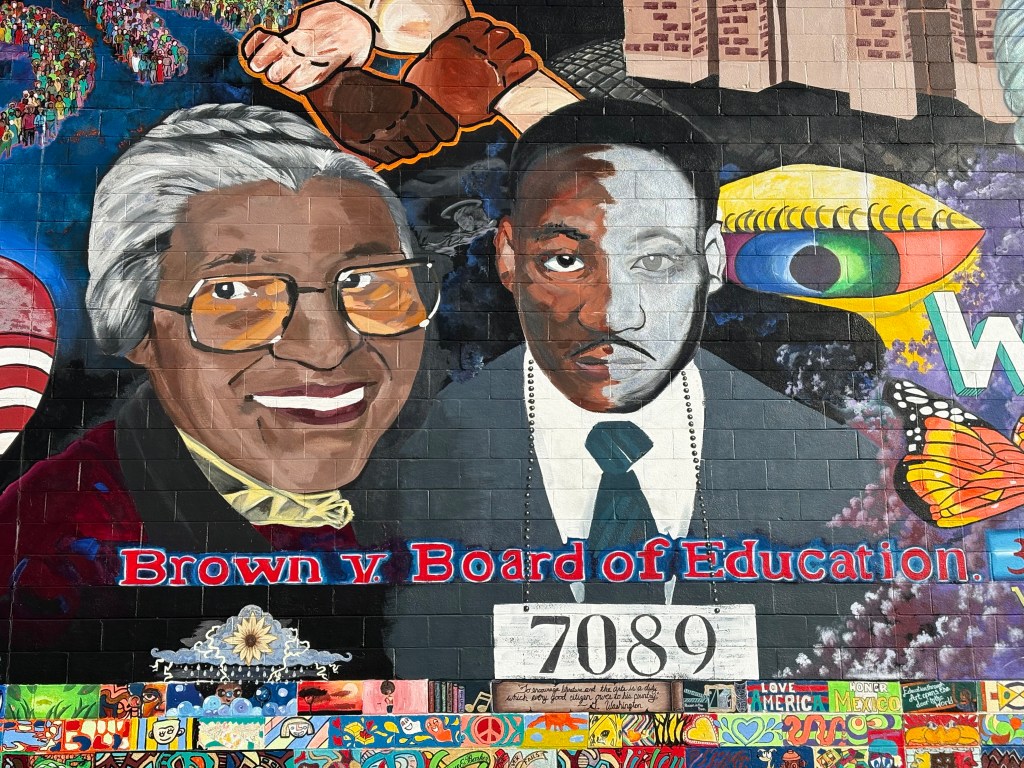
I really enjoyed the exhibit hall which featured civil rights history. They also have several well-made film clips that depict the struggle for freedom and the importance of civil rights. This may be a small park site, but it is packed with powerful history and cultural significance.
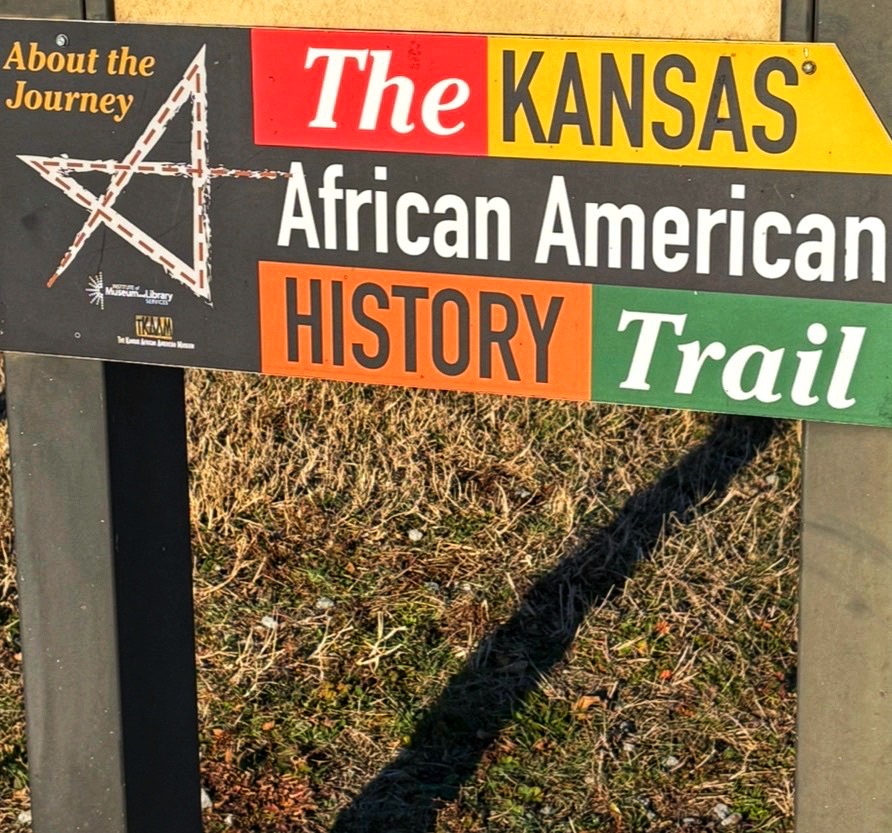
In all honesty, I never realized how rich Kansas is with African American history. It’s easy to see the hay bales and sunflowers as you drive along I-70 but my eyes are now opened to the significance of Kansas in the battle for civil rights. I see the first black soldiers of the civil war. I see those who fought against unjust policies. I see the home of the abolitionist. Now when I drive through Kansas, I will think of those whose courage and faith led them to freedom.
Check out sites along the Kansas African American History Trail here.
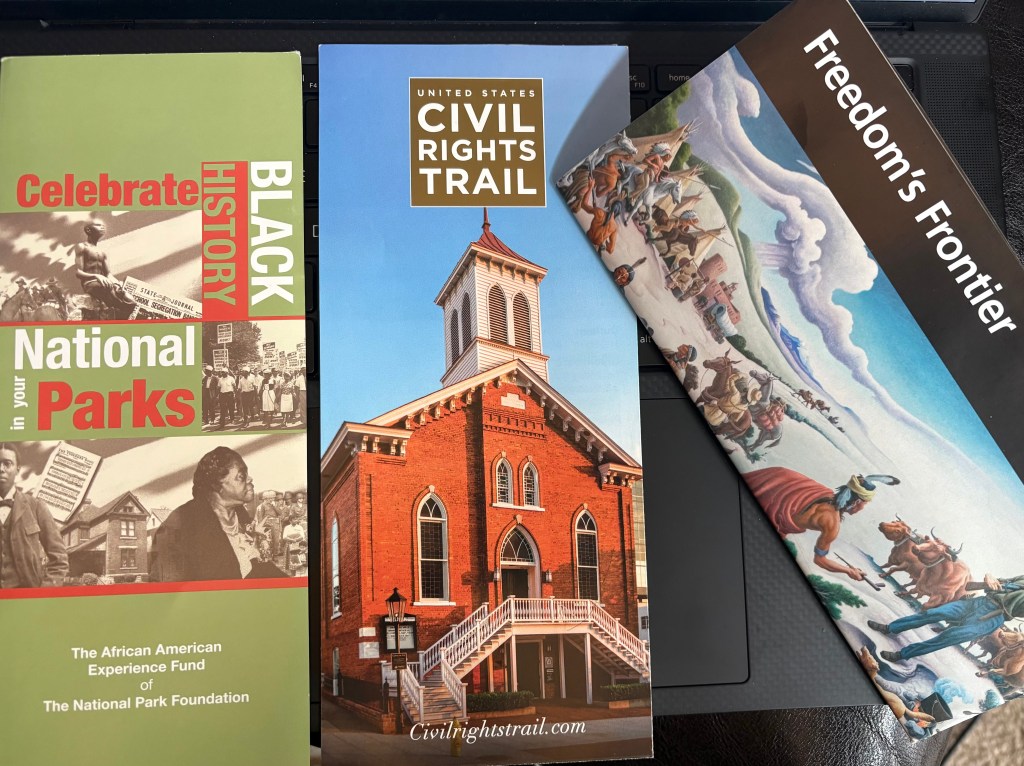
Established in 2001, the African American Experience Fund is “the only national charity initiative of the congressionally chartered National Park Foundation that supports and preserves African American history in our national parks.” Learn more here.
From indigenous tribes who call Kansas home, to military forts and historic trails, to civil rights and Black homesteaders; Kansas is truly at the heart of American history.
Stay tuned…in the next post I’ll share about a detour we took through the historic town of Council Grove, Kansas.

 Wilderness & Rye
One thought on “Five National Parks, One State: A Kansas National Parks Road Trip”